

Guiding Families Through Home Sales After a Loss

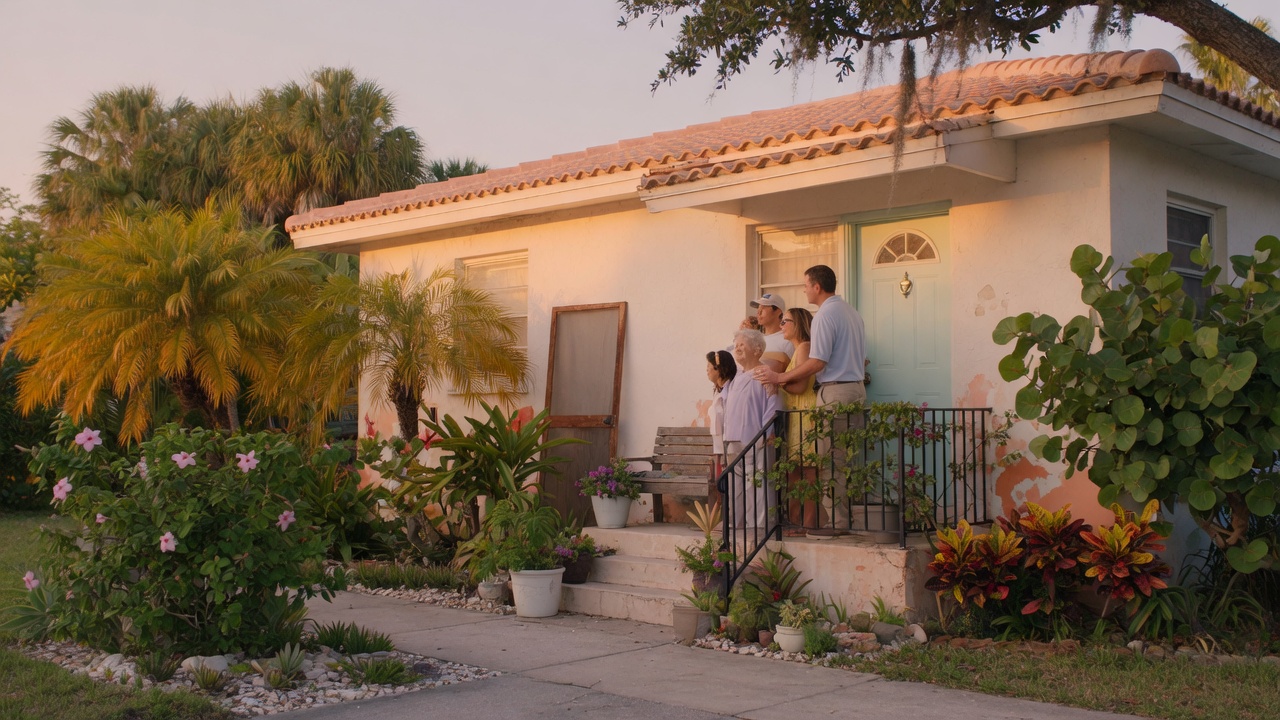
Few life events are as emotionally layered as selling the home of someone you've loved. Whether it's a parent's house where holiday dinners happened for decades, or a waterfront condo that was supposed to be the forever home — letting go of a property after a loss is never just a transaction. It's a deeply personal process that touches on memory, grief, family dynamics, and the practical realities of settling an estate.
A recent article from Florida Realtors highlights the unique challenges families face when selling a home after the death of a loved one — and the important role that a compassionate, experienced real estate professional can play in guiding them through it. As someone who has built a career around helping people navigate life transitions, I want to share what I've learned about these sales and how families in Sarasota and Manatee Counties can approach them with clarity and care.
Why These Sales Are Different
A standard home sale involves a seller who knows the property, has clear legal authority, and is making a voluntary decision to move. An estate sale after a loss inverts almost every one of those assumptions. The home may have deep sentimental value to multiple family members. There may be no single person with clear authority to sell. And the emotional weight of the process can make even simple decisions feel overwhelming.
In Florida, these situations often involve probate proceedings — a legal process through which a court oversees the distribution of a deceased person's assets. Until the court appoints a personal representative and issues letters of testamentary (or letters of administration if there's no will), no one has the legal authority to sell the property. This is one of the most common sources of confusion and delay in estate sales.
Common Challenges Families Face
Probate and Legal Authority
Florida's probate process can take anywhere from a few months to over a year, depending on the complexity of the estate and whether the will is contested. Families sometimes assume they can list a property immediately after a death, only to discover that the legal groundwork hasn't been laid. Working with an experienced estate or probate attorney early in the process is essential — not optional.
Multiple Heirs and Conflicting Priorities
When there are multiple heirs — especially those living in different cities or states — the sale can become complicated quickly. One sibling may want to sell quickly; another may want to hold onto the property for sentimental reasons. A third may have financial pressures that make a fast sale important. Navigating these dynamics requires patience, clear communication, and sometimes a willingness to simply listen before suggesting any path forward.
Title Issues and Outstanding Liens
The title on a family home can reveal surprises — old mortgages, liens, judgments, or boundary disputes that weren't known to the heirs. These issues need to be resolved before a sale can close, and they often require coordination between the estate attorney, the title company, and the real estate agent.
Clearing Out a Lifetime of Belongings
This is the part no one warns you about. A home that's been lived in for 30 or 40 years holds an enormous amount of material history — photographs, furniture, clothing, kitchen items, personal papers, and collections that each carry a story. Sorting through it all is not only time-consuming but emotionally exhausting. Families often underestimate how long this step takes and how draining it can be.
How to Approach an Estate Sale Thoughtfully
Here are some principles I share with families who come to me after a loss — not because they're looking for a real estate agent, but because they need someone who understands the full picture.
1. Start with the Right Legal Team
Before anything else, connect with an estate or probate attorney who can advise on the legal requirements specific to your situation. In Sarasota and Manatee Counties, there are attorneys who specialize in probate real estate — and having one in your corner from the beginning will save you time, money, and stress.
2. Give the Family Time to Align
If there are multiple heirs, take time to have honest conversations before making decisions. What does everyone want? Is there a timeline that works for all parties? Are there financial considerations that need to be addressed? Getting on the same page early — even if it takes a few weeks — prevents conflict down the road.
3. Choose an Agent Who Understands the Emotional Side
This isn't the time to hire whoever has the biggest billboard or the flashiest marketing plan. You need someone who will be patient with the process, respectful of the family's grief, and experienced enough to handle the legal and logistical complexities. Ask your attorney or trusted friends for referrals — and when you interview agents, pay attention to how they listen.
4. Plan for the Physical Transition
Sorting through a home's contents can be broken into phases: essential documents and valuables first, then meaningful personal items, then everything else. Estate sale companies, donation services, and professional organizers can all help. In Sarasota, there are local resources specifically experienced with estate transitions — and a good agent will help connect you with them.
5. Price the Home Realistically
Emotional attachment to a home can sometimes lead families to overestimate its value. An honest, data-driven market analysis — based on comparable sales, condition, and the current market — is the foundation for a successful sale. The goal is to honor the property's legacy while achieving the best possible outcome for the heirs.
What I've Learned From These Transitions
Before I became a Realtor, I spent over two decades in education, coaching, and wellness — fields where empathy, communication, and patience aren't just nice to have; they're the job. Those years taught me that the most important part of any transition is feeling heard and supported. When a family calls me after a loss, they don't need a sales pitch. They need a guide who will respect the process, handle the details, and help them move forward with confidence.
In Sarasota and Manatee Counties, we have a large community of retirees, seasonal residents, and multi-generational families. That means estate sales after a loss are a reality that many families here will face. Having a local professional who understands both the emotional and legal dimensions of these transactions — and who can coordinate with attorneys, title companies, estate sale organizers, and family members across state lines — makes an enormous difference.
A Note to Families Going Through This
If you're reading this because you've recently lost someone and you're facing the task of selling their home, I want you to know: there is no rush, and there is no single "right" way to do this. Take the time you need. Surround yourself with people who are patient and competent. And know that asking for help — from an attorney, a trusted friend, or a real estate professional who genuinely cares — is not a sign of weakness. It's the smartest thing you can do during one of life's most difficult chapters.
Source
This article was inspired by "Guiding families through complex home sales after a loss," published by Florida Realtors on June 8, 2026.
Navigating an estate sale in Sarasota? Jim works with families through life's most meaningful transitions with care, patience, and local expertise.
Contact Jim